
Ethereum’s $1,800 Wall: The Summer 2026 Showdown for ETH Investors

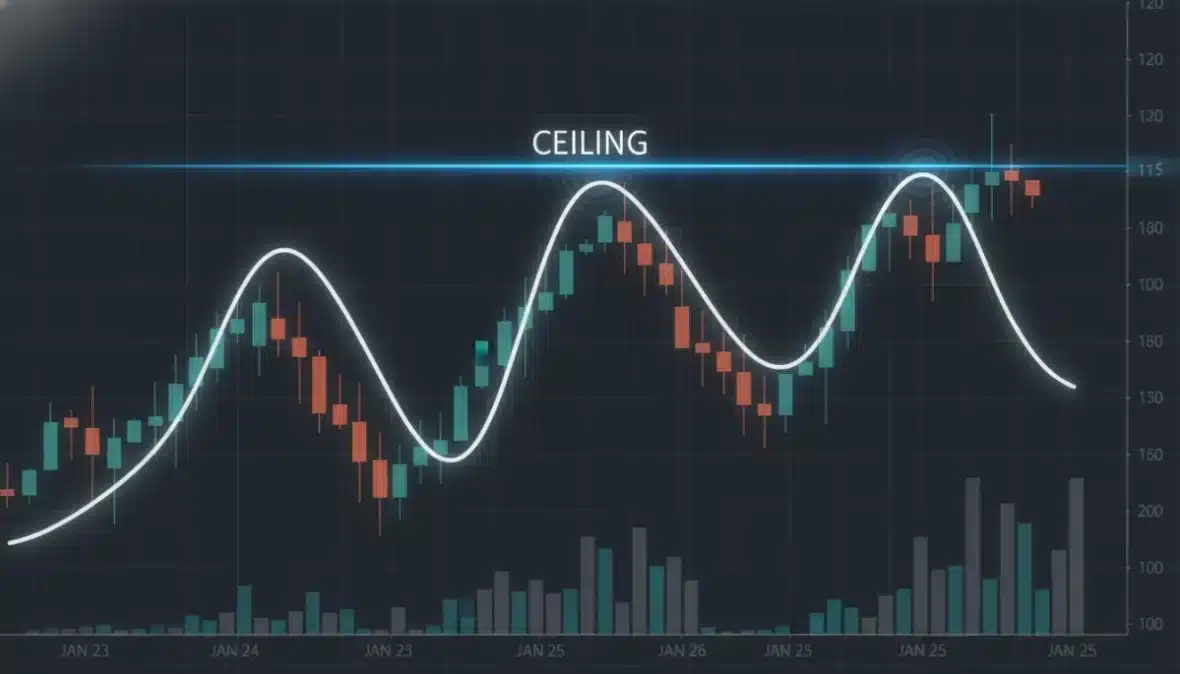
Ethereum is currently locked in a high-stakes battle at the $1,800 price level, a barrier that defines market direction for the summer of 2026. As of July 13, 2026, ETH trades near $1,779, trapped in a technical “compression zone” where bulls and bears are locked in a fierce standoff.
Why $1,800 Is the Critical Threshold
The $1,799–$1,800 range acts as a fortified ceiling, not just because it’s a round psychological number, but because it aligns with multiple technical indicators: the daily pivot point, the 50-day Exponential Moving Average (EMA50), and a cluster of short-term resistance levels on hourly charts .
For Ethereum to break out, it needs more than a fleeting spike. It requires a volume-backed daily close above $1,800 to transform this ceiling into a new floor. Until that happens, sellers are aggressively defending the level to exhaust buyer momentum.
Timeframe Dissonance: Daily Hope vs. Hourly Fear
One of the most confusing aspects of today’s market is the mismatch between timeframes:
- Daily chart (optimists): ETH is holding above its 20-day EMA, and the MACD has shown a bullish crossover—a classic sign that selling pressure is fading.
- Hourly/15-minute chart (realists): The trend is clearly bearish. Sellers are defending $1,800, and the RSI is trending toward oversold territory, signaling a “sell-the-rally” environment.
This disconnect makes trading treacherous. Buying before a confirmed breakout is like running into a headwind.
Bitcoin’s Shadow and Macro Headwinds
Ethereum cannot be analyzed in isolation. Bitcoin dominance is currently around 56%, which stifles independent momentum for altcoins . In a “risk-off” climate driven by geopolitical tension and interest rate uncertainty, investors flock to Bitcoin as a safer asset.
The Fear & Greed Index sits at 28, firmly in the “Fear” zone. When fear dominates, traders seek liquidity and exits—not value in altcoins. This allows Bitcoin to dictate market tempo, leaving Ethereum to fight for redirected volume.
On-Chain Activity: Repositioning or Panic?
Recent data reveals a sharp surge in Decentralized Exchange (DEX) activity:
- Uniswap V3 fees jumped nearly 49% in the last 24 hours.
- Curve DEX is seeing a similar explosion in trading volume.
A fee spike during a downturn rarely signals new buyers. Instead, it points to active repositioning: investors moving tokens to cold storage, rebalancing portfolios, or hedging against further drops. This twitchy behaviour suggests the market is bracing for volatility, not chasing a bull run.
Two Possible Paths for the Coming Week
1. The Bullish Breakout
If ETH secures a sustained hourly close above $1,800, the technical landscape shifts dramatically. This could trigger a short-squeeze, forcing resistance bettors to buy back positions and creating a self-fulfilling pump. The path would then open toward $1,825, with potential to test upper Bollinger bands near $1,884.
2. The Bearish Slide
If the $1,800 wall holds and ETH breaks below the $1,753 support level, momentum evaporates. Below $1,753 lies a “structural vacuum” with little historical buying interest, risking a rapid price drop. In a fear-driven market, losing this floor could ignite a wave of technical selling.
The Right Strategy: Patience Over Panic
The clearest lesson for traders and investors is simple: Don’t fight the range. Flipping coins between $1,753 and $1,800 is a high-risk, low-reward gamble. The smarter approach is patience—wait for a confirmed breakout above $1,800 or a clear breakdown below $1,753 before committing capital.
In a volatile regime like this summer, discipline and timing matter more than prediction.
